Broxtowe
Plumber in Beeston for Repairs & Planned Plumbing
We cover homes, landlords and local businesses in Beeston as part of our approximately 25-mile Nottingham service area. Attendance depends on engineer availability and the job details. Call with the postcode, the affected fixture and whether the water has been isolated.
- 24/7 phone line
- Scope agreed before work
- Safe photos welcome
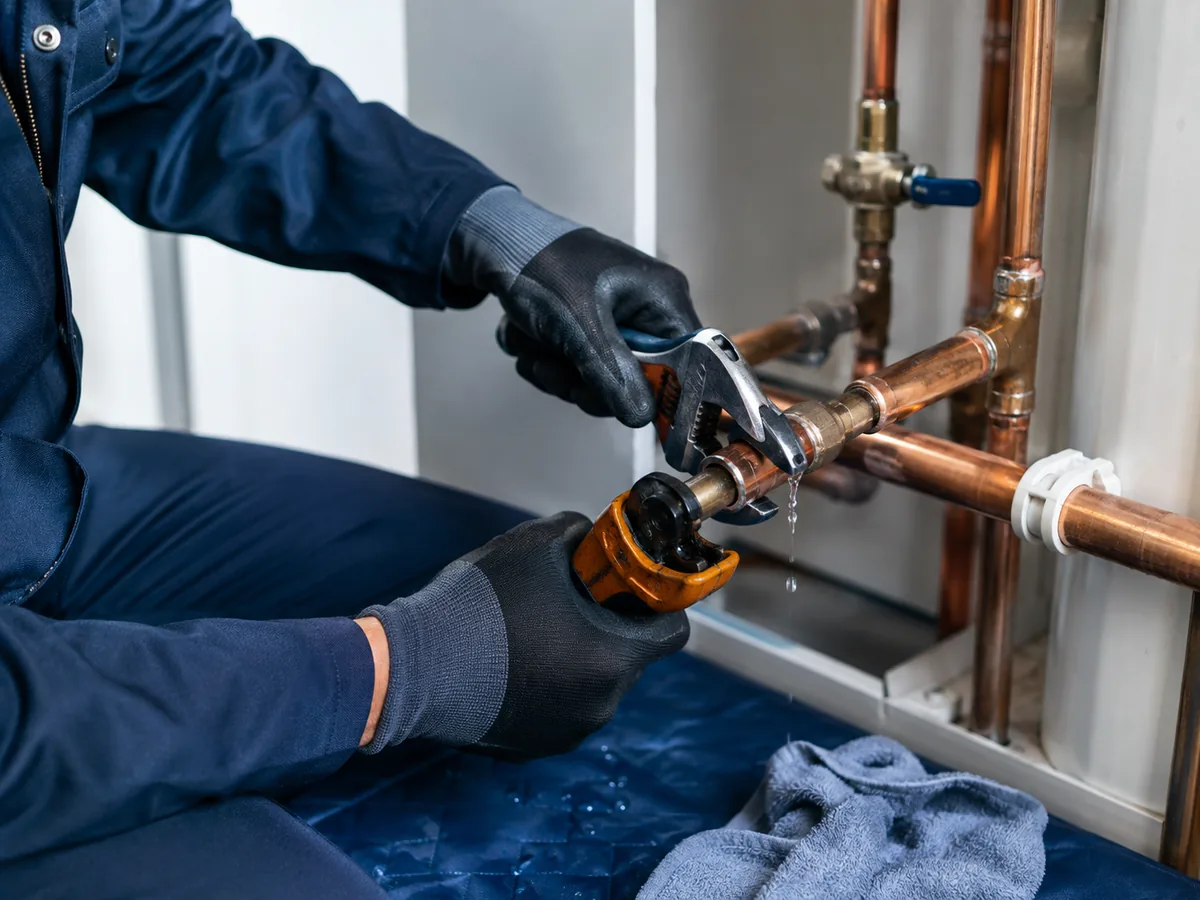 Clear fault checksRepair scope explained
Choose a service
Plumbing services available in Beeston
Each link combines the main plumbing category with this location so the next page stays relevant to the job.
01
Emergency Plumbing
Urgent help for uncontrolled leaks, overflowing fixtures and water problems that cannot safely wait.
Emergency Plumbing in Beeston 02Leak Detection & Repair
Targeted checks for visible drips, hidden moisture, unexplained meter movement and recurring damp patches.
Leak Detection & Repair in Beeston 03Burst & Frozen Pipes
Isolation, thaw planning and repair for split, frozen or suddenly failed water pipework.
Burst & Frozen Pipes in Beeston 04Water Pipe Repairs
Repairs to copper, plastic and mixed domestic water pipework where joints, valves or sections have failed.
Water Pipe Repairs in Beeston 05Whole-House Repiping
Planned replacement of ageing, undersized or repeatedly failing water distribution pipework.
Whole-House Repiping in Beeston 06Taps & Mixers
Repair and replacement of dripping, stiff, noisy or poorly performing taps and mixer valves.
Taps & Mixers in Beeston 07Toilets & Cisterns
Repairs for toilets that leak, run continuously, flush weakly, fill slowly or will not clear correctly.
Toilets & Cisterns in Beeston 08Sinks & Basins
Installation and repair for kitchen sinks, utility sinks, bathroom basins, wastes and overflows.
Sinks & Basins in Beeston 09Baths & Showers
Plumbing support for leaking baths, shower controls, trays, wastes and low-flow problems.
Baths & Showers in Beeston 10Bathroom Plumbing
Coordinated plumbing for bathroom repairs, replacements, refurbishments and new fixture layouts.
Bathroom Plumbing in Beeston 11Kitchen Plumbing
Kitchen water and waste work for sinks, taps, appliances, filters and altered layouts.
Kitchen Plumbing in Beeston 12Drain Unblocking
Practical clearance for blocked sinks, basins, baths, showers, toilets and internal waste runs.
Drain Unblocking in Beeston 13Drain Inspection & Repair
Investigation and repair planning for recurring blockages, damaged waste pipes and persistent drainage symptoms.
Drain Inspection & Repair in Beeston 14Waste Pipes & Traps
Repairs to leaking, loose, smelly or poorly draining traps and internal waste connections.
Waste Pipes & Traps in Beeston 15Mains Water Supply
Support for stop taps, incoming mains faults, reduced flow and water-supply pipe issues within the property boundary.
Mains Water Supply in Beeston 16Hot Water Cylinders & Immersion Heaters
Water-side plumbing for hot-water cylinders, immersion components, valves and associated pipework.
Hot Water Cylinders & Immersion Heaters in Beeston 17Water Storage Tanks
Repairs and replacement planning for cold-water storage cisterns, feeds, overflows and ball valves.
Water Storage Tanks in Beeston 18Water Pressure & Pumps
Diagnosis of poor, uneven or excessive water pressure and plumbing support for suitable pump systems.
Water Pressure & Pumps in Beeston 19Appliance Plumbing
Water and waste connections for washing machines, dishwashers, fridge feeds and other plumbed appliances.
Appliance Plumbing in Beeston 20Outdoor Plumbing
External taps, garden supplies, outbuilding water lines and weather-exposed plumbing repairs.
Outdoor Plumbing in Beeston 21Landlord Plumbing
Responsive and planned plumbing for landlords, letting agents and managed residential property.
Landlord Plumbing in Beeston 22Commercial Plumbing
Plumbing repairs and maintenance for shops, offices, hospitality, community premises and small commercial sites.
Commercial Plumbing in Beeston 23New Build & Renovation Plumbing
First-fix, second-fix and alteration work for extensions, renovations and new domestic layouts.
New Build & Renovation Plumbing in Beeston 24Accessibility Plumbing
Practical plumbing changes that support safer, easier-to-use bathrooms, kitchens and washing facilities.
Accessibility Plumbing in Beeston 25Water Efficiency & Treatment
Water-saving improvements, filtration connections and practical changes to reduce waste without harming performance.
Water Efficiency & Treatment in Beeston 26Flood Prevention & Water Damage Control
Plumbing measures that reduce leak damage, improve isolation and help manage water after a failure.
Flood Prevention & Water Damage Control in Beeston 27Plumbing Maintenance & Inspections
Planned checks and small repairs designed to catch drips, corrosion, poor isolation and worn components early.
Plumbing Maintenance & Inspections in Beeston Other coverage areas
More plumbing coverage around Beeston
Arrange a plumbing visit for your Beeston property. Discuss the fault, safe access, repair options and the proposed charge before confirming an appointment.
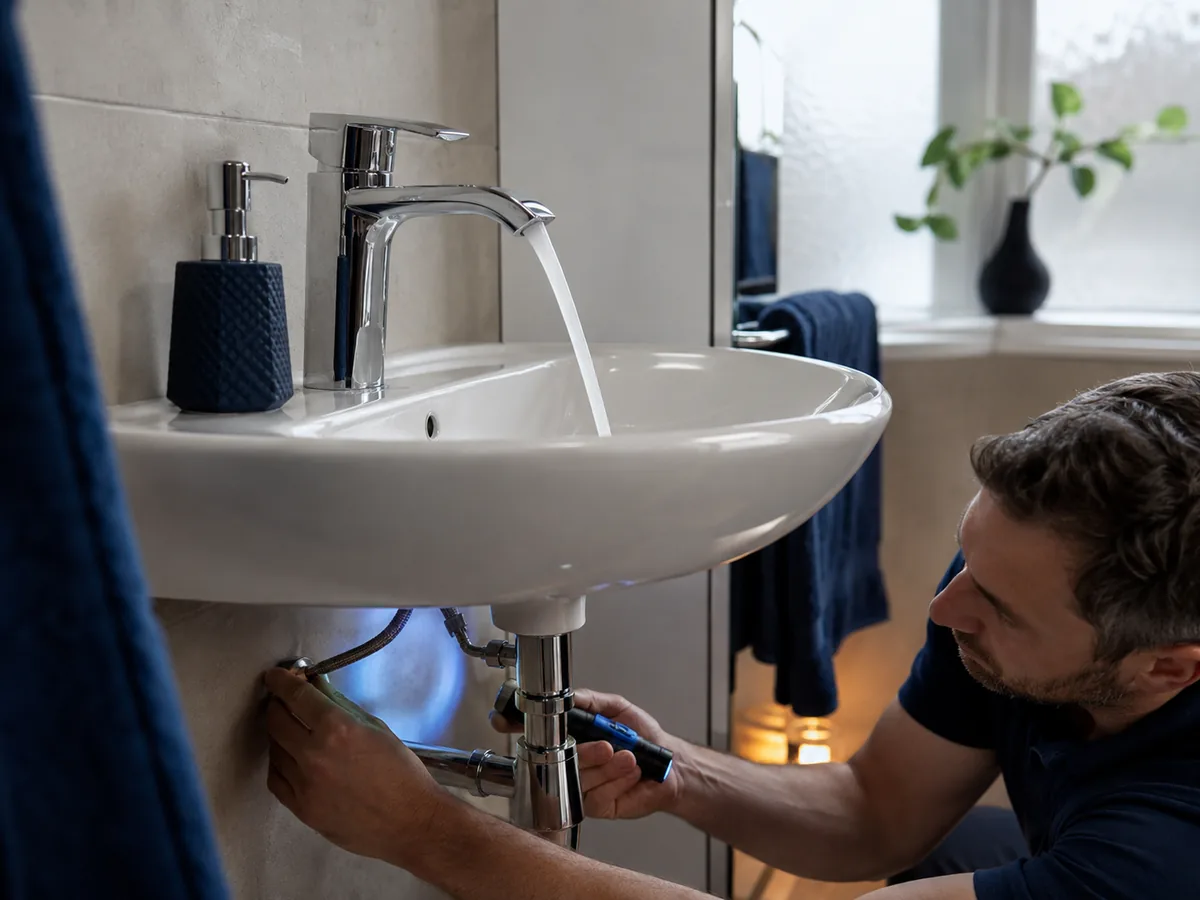
Arrange plumbing work at your Beeston address
Plumbing247 accepts enquiries for homes, rented accommodation and business premises in Beeston from its published West Bridgford base. Call +44 7888 885791 with your postcode and the work you need, or send photographs through WhatsApp when it is safe to take them. Beeston is a service area; this page does not describe a separate Beeston branch. The appointment, engineer availability and proposed charge must be confirmed for the actual address before you rely on an attendance arrangement.
Choose the visit around the problem
If water is escaping, explain whether it is still flowing and which rooms or fittings are affected. If the repair is planned, describe the result you want: a working toilet, a replacement kitchen tap, a properly connected dishwasher or altered pipework for a refurbishment. Those requests need different preparation. You can start with the symptom rather than selecting a component from a photograph. We can then discuss the appropriate service category and the information needed to arrange the visit.
Keep Beeston and the surrounding area distinct
Our coverage directory has separate pages for Chilwell, Bramcote, Attenborough and Toton. Give the complete address even if you normally describe it simply as Beeston. A town name alone does not identify a property entrance, a block of flats or a shared service route. Broxtowe Borough Council's area information can help identify the locality, while your booking should use the property details shown on your own correspondence.
Urgent leaks in a Beeston home or flat
Describe the water before discussing parts
For an emergency plumbing visit in Beeston, tell us where water first appeared, whether it is increasing and whether the supply is already isolated. A puddle beneath a kitchen unit may be connected with a pressurised pipe, an appliance hose, a waste connection or water travelling from elsewhere. Describing the timing is more useful than guessing which joint needs replacement. Mention whether the problem started after using an appliance, flushing a toilet or carrying out recent building work.
Keep away from water near electrical equipment and from ceilings or floors that appear unsafe. Use an existing isolation valve only if you know what it controls and can reach and operate it safely. A stiff valve should not be forced. WaterSafe's leak guidance supports identifying the stop tap before an emergency and seeking help where it cannot be operated. Tell the booking contact if isolation is unsuccessful so the situation is understood before an appointment is agreed.
Agree what the urgent appointment covers
Damage limitation, locating the source and making a permanent repair are separate possible stages. A visible accessible connection may be repaired during the first attendance, while a concealed leak can need further investigation or approval to open finishes. Ask which stage is being proposed and how additional work will be authorised. Record any temporary restriction, such as leaving a fixture unused, because a stopped drip does not by itself establish that the entire installation is ready for normal use.
Kitchen plumbing for Beeston households
A tap replacement should fit the existing installation
Tell us whether the tap sits on a sink, a worktop or the wall, and whether the fault affects hot water, cold water or both. Photographs of the tap and accessible connections can help describe the job. They do not establish cartridge dimensions or installation suitability. Use the Beeston taps and mixers page for this category, particularly where a dripping outlet, loose body or difficult handle is the main concern.
If you have already chosen a new tap, provide the product information before the appointment. Pull-out hoses, boiling-water units and filtered drinking-water arrangements may need a different space, connection or maintenance provision from a standard mixer. Confirm who is supplying the fitting and what happens if a missing or unsuitable part prevents installation. The quote should explain whether removing the old fitting and disposing of it are included rather than leaving those assumptions until the work starts.
Include the cupboard and waste connections
A kitchen booking should mention fitted drawers, shelves, stored items and appliances that obstruct the work area. Clear ordinary movable contents without dismantling pipework. For a leaking sink waste, explain whether the leak happens during draining or while water stands in the bowl. For a dishwasher or washing machine, report whether water appears while filling, operating or emptying. Those distinctions help plan a kitchen plumbing enquiry without incorrectly treating every under-sink problem as a tap repair.
Toilets, cisterns and usable bathroom facilities
Running water and drainage failures need different responses
A cistern that continuously refills, a flush that will not operate and a pan that backs up are different faults. Describe which one you have and whether water is staying inside the fixture or escaping onto the floor. If there is only one usable toilet at the address, include that in the first conversation. It helps explain the effect on the household, although the appointment still depends on confirmed availability. The relevant booking route is toilet and cistern work in Beeston.
For concealed cisterns, state whether there is an intended access panel and whether the flush plate carries a visible manufacturer name. Do not remove tiles or fitted furniture solely to collect booking information. Some assemblies can be serviced through their designed opening; other defects require a different access decision. That decision should be part of the agreed scope. A toilet's external appearance is not sufficient evidence that a generic replacement valve will fit its internal mechanism.
Consider the installation around a replacement toilet
Before purchasing a replacement, discuss the outlet position, available space, pan connection and floor or wall condition. Changing a close-coupled toilet to a different arrangement can involve more than exchanging the ceramic fixture. The fitter may need to assess pipe routes, supports and access for future maintenance. Ask which associated tasks are included and which finishes are excluded. Keep product packaging and identification details until the installation has been checked and any return decision has been resolved.
Baths, showers and concealed water paths
Explain when the leak occurs
For bath and shower plumbing in Beeston, describe whether moisture appears while the outlet runs, after someone uses the enclosure or continuously between uses. Include what can be observed from a safe position in the room below. Water can travel along surfaces before becoming visible, so a stain is evidence of a problem rather than a confirmed location for opening a ceiling. Mention previous repairs and any change in the pattern since those repairs were completed.
A shower's plumbing, enclosure, waste and surrounding finishes can involve different trades or scopes. Ask whether the proposed visit investigates the supply fittings, the waste arrangement or another identified component. An inspection should avoid promising that replacing a mixer will resolve water passing through a failed enclosure seal. When the cause remains uncertain, make that uncertainty explicit so you are authorising investigation rather than paying for an assumed solution. Avoid repeatedly running the shower if doing so causes further damage.
Check compatibility before a fixture upgrade
Provide the specification of any new bath, tray, mixer or shower fitting you intend to supply. Existing pressure, hot-water provision, connection positions and access can affect whether the selected product is suitable. We do not recommend selecting a pump or changing safety controls from a brief online description. Ask what inspection is needed before purchase, and whether the proposed plumbing appointment includes removal, reconnection and functional checks. Electrical work must be arranged with an appropriately competent person where the project requires it.
Drainage problems and recurring blockages
Identify the affected outlets as a group
When booking drain unblocking in Beeston, list every fixture affected by slow drainage or backing up. One basin that empties slowly presents different information from several fixtures reacting when a toilet is flushed. Note whether the problem is confined to your property or whether another occupier has reported a related symptom. Do not remove heavy covers or enter confined spaces to establish that information. Tell us what is already known and let the inspection determine the accessible work boundary.
Disclose any chemical product added before the visit, including its name if you still have the packaging. That is useful safety information for the person opening a trap or working on a blocked route. Do not combine products or keep adding water to an overflowing fixture. If an earlier clearance did not last, retain the date and findings from that work. A recurring problem may warrant a different investigation rather than repeating exactly the same treatment without understanding the cause.
Separate internal plumbing from shared drainage responsibility
Responsibility can differ between a private internal waste, a shared arrangement and the public sewer network. A service page cannot settle ownership from a street name. Explain whether you are the owner, tenant, managing agent or commercial occupier and supply any relevant building records. Where a water company or management organisation controls the affected section, contact that organisation before authorising work outside your control. Ask for the inspected location and proposed task to be recorded clearly on the quotation or job description.
Mains supply, pressure and stop-tap enquiries
Report whether the change is local or widespread
For reduced flow, say whether every cold outlet is affected or whether the concern is limited to one fitting. Mention whether neighbouring premises have a similar problem, if you already know. A loss of supply across several addresses can require a water-company enquiry, while an isolated weak outlet may need a fixture or internal pipe assessment. The water pressure and pumps service is a route for discussing symptoms; it is not a recommendation to install a pump before investigation.
Tell us what happened after any recent valve operation, tap change or refurbishment. These details can help the attending plumber choose the first checks. A pressure reading and the amount of water delivered over time describe different aspects of the installation. Neither should be guessed from how a shower feels. If a proposed repair depends on measurements, ask which ones are needed and what the results will tell you before deciding whether to replace an appliance, pipe section or control.
Establish who controls the incoming pipework
Severn Trent distinguishes company mains and communication pipes from private supply pipes, with shared private supplies potentially involving several owners. Use its current responsibility guidance alongside the actual property arrangement. Do not assume that a pipe outside the building is automatically company-owned. For a mains water supply enquiry, explain the suspected location, meter or valve information and whether the route serves anyone else. Ownership and any permissions should be resolved before excavation or an alteration is agreed.
Plumbing visits for rented property in Beeston
Put the occupier and authorising contact on the same brief
A tenant can describe the problem, while a landlord or agent may need to approve the work. Provide both contacts where relevant, and say who will open the property. If the person authorising expenditure will not attend, establish how the plumber can reach them when findings change the scope. Our landlord plumbing service for Beeston can be used for repair and maintenance enquiries without implying that a routine plumbing visit replaces any separate statutory inspection or specialist certification.
State whether the fault affects one room, a shared facility or the whole property. Include practical constraints such as an occupied bedroom near the work area or an agreed key collection arrangement. Do not send unnecessary personal information about residents in photographs. A concise fault description, access instructions and approval limit are normally more useful to a repair booking than a lengthy tenancy history. Keep authorisation records with the property file so the next conversation starts from the same agreed facts.
Use a tenancy change to address known defects
A void period can be an opportunity to discuss leaking fittings, inaccessible valves and damaged wastes together. List the work items separately so the quote distinguishes urgent repairs from optional improvements. If an incoming tenant has already been promised a date, explain that dependency before accepting an appointment. A grouped maintenance visit should still identify what was checked and what remains outstanding. Do not describe uninspected components as sound merely because a different fixture was repaired during the same attendance.
Commercial premises and managed buildings
Book around the premises' actual water use
A shop, office, food business or managed building can have different restrictions from an individual house. When discussing commercial plumbing in Beeston, identify the site contact and the facilities the business cannot use while work is underway. Explain any restrictions on opening cupboards, using entrances or carrying materials through occupied space. The business name and billing details should be supplied through the agreed booking process rather than displayed in a public photo or social media message.
Describe whether shutdown approval, an escort, keys or a permit process is required. If work must be completed within a particular window, confirm that requirement before an appointment is accepted. A preferred time is not the same as a guaranteed completion commitment. Ask how an unexpected finding will be handled if it affects reopening or customer access. A planned alternative, such as keeping a fixture out of service pending a part, can be more manageable than discovering the restriction during trading.
Define the handover that the responsible person needs
The person receiving the work should understand what was repaired, what was tested and whether there are limits on use. Ask for the affected fixture or area to be identified so an invoice can be reconciled with the maintenance request. A plumbing repair note should not be presented as a comprehensive survey of the premises. If your organisation needs a specific inspection, document or qualification, state that requirement beforehand and verify that the proposed appointment is suitable for it.
Bathroom and kitchen refurbishment planning
Price the pipework before the finishes are committed
For bathroom plumbing in Beeston, explain whether fixtures are staying in place or being relocated. Moving a basin, toilet or shower can change the supply and waste routes, access requirements and sequence of work. Provide the proposed layout and product information where available. If you only need an initial assessment, say so. A quotation for known installation work should be distinguished from an exploratory visit intended to establish which routes are practical.
Discuss how plumbing relates to cabinetry, tiling, flooring and other trades. Connection positions need to suit the final fixture, while isolation points and service access should remain reachable after the room is completed. Ask who checks the location of each fitting before finishes conceal the work. An alteration that looks straightforward on a sketch may have constraints in the existing structure. Agree how those findings affect the programme and any charge before treating the initial layout as a fixed commitment.
Coordinate first fix and final connection
A refurbishment can require different visits for concealed routes and completed fittings. Clarify which materials, valves and connections belong to each stage. Keep the selected product details available if another trade needs them to set an opening or support. At completion, ask which functional checks were carried out and how to operate any new isolation points. Retain instructions and receipts together. A new finish should not make routine maintenance dependent on dismantling the entire installation whenever a component needs attention.
Price, access and the decision to proceed
Ask for a quotation that can be compared
We do not publish a universal Beeston call-out price because the fault, access and appointment can differ. Before agreeing to a visit, ask what charge applies, what it covers, whether VAT is included where applicable and how parts or further time will be handled. Explain any parking, access or building-management constraint that may affect the job. A meaningful comparison uses the same scope: investigation alone, a specified repair or a broader installation with its associated work.
When an inspection identifies something outside the original request, ask for the finding and proposed change before approving it. A sound decision connects the extra work to a practical consequence, such as a fitting that cannot be isolated or an incompatible replacement component. Keep optional improvements separate from work needed to complete the agreed task safely. If you choose to defer an item, request a clear explanation of any restriction rather than assuming that the whole installation has been approved for unrestricted use.
Prepare access without attempting the repair
Clear movable contents from the work area, arrange entry and keep the booking contact available. Do not loosen pipework, open a sealed appliance or climb into an unsafe space to help the visit along. If a fixture has been left isolated, tell everyone using the property so it is not inadvertently reopened. After the appointment, retain the invoice, product information and any follow-up instructions. Contact Plumbing247 with the original job reference if a symptom returns, explaining what has changed since handover.
Shared entrances, flats and divided properties
Identify the unit and the service you control
For a Beeston flat, provide the building name, flat number, floor and entrance arrangement. Say whether the affected fitting is inside your unit or in a shared space. An internal stop valve may control only part of the installation, and a communal valve may affect other occupiers. Do not experiment with unidentified controls to establish the arrangement. If a building manager holds service drawings or access keys, arrange for that information to be available to the attending plumber through the appropriate contact.
A leak affecting a neighbouring unit needs careful communication. Report the location and current effect without assuming which resident caused it. The person seeing a stain may be unable to provide access to the installation above. Explain who has been contacted and what permissions exist. If another property needs to be inspected, that access must be arranged separately; an appointment for one flat does not authorise entry elsewhere. This can influence the investigation sequence and should be discussed before a fixed repair scope is accepted.
Prepare the route to the work area
A locked communal entrance, lift arrangement or restricted loading point can affect how the visit is organised. Tell the booking contact about relevant restrictions and where the site representative will meet the plumber. Keep emergency escape routes clear and do not wedge open security doors as a substitute for an access arrangement. If the property has visitor parking rules, obtain the applicable instructions from the responsible organisation. We do not infer current restrictions or travel times from a Beeston street name.
Outside taps, garden water and exposed connections
Describe the connection and intended use
An outside plumbing appointment in Beeston can concern a leaking tap, damaged exposed pipe or a proposed new water point. Describe whether water escapes at the outlet, around the fitting or along the connecting pipe. Say where the internal isolation point is if you already know. A photograph showing the wall and accessible connection may help explain the installation, but it cannot confirm the condition of pipework concealed inside the building.
For a new outside tap, explain its intended use and the proposed location before buying a fitting. The route from the existing supply, a suitable means of isolation and any necessary protection need assessment. A garden hose or irrigation connection should not be treated as merely an appearance choice. Ask how the installation will be maintained and isolated when it is not in use. Product suitability and any backflow requirements should be checked by the person designing and installing the actual connection.
Include seasonal and accidental damage in the enquiry
If exposed pipework has been knocked or a tap stopped working after cold weather, describe what can be seen without applying heat or forcing the fitting. Tell us whether it has been isolated and whether water appears when the supply is restored. Do not repeatedly reopen a damaged line to test it. An appointment can then be discussed around investigation, replacement of an identified component or an alteration that makes the connection easier to protect and service in future.
Comfortable controls and accessible maintenance
Specify who needs to operate the fitting
A replacement tap or toilet may be part of making a bathroom easier to use. Explain the practical difficulty, such as turning a small handle, reaching an isolation valve or maintaining a fitting behind fixed furniture. You do not need to share a diagnosis to describe the required function. The accessibility plumbing category provides an enquiry route for discussing suitable plumbing work. Product choice should be considered alongside the space, supports and other adaptations involved in the room.
If an occupational therapist, designer, landlord or other professional has provided a specification, make that available before a quotation is finalised. Identify which parts of the project are already agreed and which remain open for assessment. Plumbing247 should not be assumed to provide a wider adaptation survey simply because the requested fitting is described as accessible. Where another person's approval is required, resolve that responsibility before a product is ordered or an installation date becomes dependent on it.
Preserve useful access after the work
A room can look complete while leaving routine servicing unnecessarily difficult. Discuss the location of isolation valves, access to cistern mechanisms and space around serviceable connections. The purpose is to make the agreed installation manageable for the people responsible for it. Ask the installer to explain normal operation and any care instructions at handover. If a particular movement or reach remains difficult, raise it before accepting the arrangement as suitable rather than discovering the issue only after the finishing work has concealed the fittings.
Hot-water equipment and stored-water plumbing
Identify the component before arranging attendance
A hot-water enquiry should distinguish a cylinder, an immersion heater, a storage tank and a boiler. Give any visible manufacturer or model information without opening covers. Explain whether the concern is a leak, a loss of hot water, noise or an overflow. The hot-water cylinder service for Beeston provides a route for discussing the plumbing task. Work on safety controls, pressurised equipment or electrical components must be matched to the competence required for that exact task.
If water is escaping around stored-water equipment, explain where it is appearing and whether any supply has already been isolated. Keep clear of hot discharge and unsafe access. Do not block an outlet or alter a safety device to stop a symptom. Tell the booking contact if the equipment is in a loft or another restricted space so safe access can be discussed. A routine fixture repair appointment should not be assumed to include specialist work merely because both requests concern hot water.
Plan replacement around the existing system
Before selecting a replacement tank or cylinder, provide the existing equipment details and the outcome you need. Capacity, connections, access for removal and the system arrangement can all affect the proposal. Ask which inspection is required and whether disposal, reconnection and any related trade are included. Do not use a photograph of another installation as proof that the same product will be suitable at your address. The quotation should describe the equipment and work actually being proposed.
A replacement appointment may also affect water availability in the property. Discuss which facilities can remain usable, who is responsible for preparing the space and how the work will be handed over. Keep the supplied documentation available for the person maintaining the equipment later. Where a specific qualification, notification or certificate is relevant, verify that requirement before instructing the job. A general statement that plumbing work is complete does not replace the specific records required for the installed system.
Pipework changes and property extensions
Define the new use before choosing a pipe route
If a Beeston extension, utility room or revised kitchen layout needs plumbing, describe the fixtures and their proposed positions. State whether the work is a new supply, an altered waste route, a relocation or replacement of existing pipework. The new-build and renovation plumbing route can help organise the enquiry. The initial discussion should establish whether a site assessment is needed before a quote can sensibly define materials, access and the sequence of work.
Tell us which parts of the building are already open and which are finished. Access through an exposed service zone presents a different task from reaching the same connection behind new cabinetry. Ask how the proposed route will be inspected and maintained in future. If a builder or designer is coordinating the project, identify their role and how changes are approved. A drawing should help communicate the objective without being treated as evidence that every concealed condition has already been verified.
Keep interfaces between trades explicit
A plumbing alteration can depend on openings, supports, electrical work or drainage decisions arranged by others. List these interfaces when comparing quotes so each contractor prices the same responsibilities. State who sets out the final fixture positions and who confirms them before work is concealed. If materials supplied by another party arrive late or differ from the specification, the programme may need to change. Agree a communication route for that situation rather than allowing different trades to proceed on incompatible assumptions.
At the final connection stage, retain the product information and earlier work record. Ask which parts were newly installed and which existing connections were retained. Check that the intended isolation and service access remain available after finishes are complete. Where an additional defect is found, separate it from the original alteration and request a clear proposal. This keeps a planned refurbishment from turning into an undefined commitment to replace every part of the property's plumbing during one project.
Appliance installations and replacement-day planning
Give the model and the accessible connection details
For a dishwasher, washing machine or water-fed fridge, explain whether you are replacing an appliance in the same position or installing one somewhere new. Provide the model information and photographs of accessible water and waste connections when safe. The appliance plumbing page for Beeston is the relevant enquiry route. Say whether the delivery team is taking away the old appliance, because removal timing and the state of the connection can affect the work that needs arranging.
A new appliance may have different space, connection or operating requirements from the previous model. Keep its instructions available and discuss whether the existing arrangement has been inspected. A leaking isolation valve or an unsuitable waste connection can turn a simple reconnection request into an additional repair. Ask how those findings are authorised. Do not disconnect equipment yourself simply to make the appointment appear straightforward, and do not assume plumbing attendance includes every electrical or cabinetry adjustment required by the replacement.
Coordinate delivery without promising an unconfirmed installation
Check when the product will be available and which party brings the required accessories. If an installation depends on a delivery date, explain that before accepting a visit. Keep the appliance accessible while protecting the surrounding floor and maintaining a safe route through the property. If the product arrives damaged, report that to the supplier rather than requesting a connection that may compromise a return decision. Suitability, product condition and the authorised plumbing scope should be resolved before final installation.
After connection, ask which checks were performed and what normal operation should look like. Retain the manufacturer's instructions rather than relying only on a demonstration during the visit. Know where the relevant isolation point is if a later problem occurs. If water appears during a subsequent cycle, stop using the affected appliance where safe and report the timing and location. That information helps distinguish a connection issue from a product fault without presuming either cause remotely.
Intermittent faults and useful investigation records
Keep a short diary of events already observed
Some enquiries involve a damp patch that appears only occasionally or an outlet whose performance changes during normal use. Record the date, time, affected fitting and what else was operating when you noticed the problem. Use observations from ordinary use rather than running risky tests. Existing photographs can show how the symptom developed. An organised record can help explain an uncertain leak source, while avoiding an unnecessarily broad claim that every moisture mark must come from a plumbing pipe.
Mention other investigations already carried out and provide their conclusions if you have permission to share them. Distinguish a confirmed finding from a suggestion made during an earlier phone call. If the visible symptom has stopped, say when it last occurred and what changed. The inspection may need to focus on accessible evidence and the limitations of what can be established during that visit. Agree how further investigation would be proposed if the fault cannot be reproduced safely at the appointment.
Turn findings into a specific repair decision
Ask the plumber to connect the recommended work to the evidence found at the property. Replacing an identified failed connection is different from opening a wider area to investigate an unresolved source. The quotation or job note should make that difference understandable. If you are uncertain about a proposed step, ask what it is intended to establish and what would happen next under each likely finding. Clear decisions reduce the risk of paying for a succession of assumed fixes without an agreed investigation plan.
Where access or time limits prevent a complete assessment, keep those limits in the record. A report that no active leak was visible during the visit should not be expanded into a guarantee that no intermittent defect exists. Retain the agreed next action and any restriction on use. If the symptom returns, update the same record with the new observation. This creates a practical basis for a follow-up conversation and keeps the original appointment scope distinct from later developments.
Decide between a component repair and a replacement
Compare the complete task rather than the fitting alone
A Beeston homeowner enquiring about a dripping mixer may be choosing between repairing its mechanism and replacing the whole tap. Ask what is known about the existing product, whether compatible components can be identified and what condition is visible around the connections. The repair option should explain which fault it addresses. The replacement option should account for removal, installation and any associated connection work. Comparing only the retail price of a cartridge with the retail price of a new tap leaves out the actual scope of the appointment.
Product preference also matters. You may prefer to retain a matching bathroom fitting, or you may already be planning a broader refurbishment. Explain that objective before parts are ordered. Conversely, a desire to replace a tap should not prevent the plumber from identifying a separate leak in the supply connection beneath it. Ask whether the proposed work addresses one defect or more than one. A clear choice distinguishes a functional repair, a cosmetic preference and another problem that requires its own authorisation.
Consider access and future servicing
For a concealed component, reaching the defect may be a significant part of the work. Ask whether the proposed access permits the intended repair and leaves a practical way to service the fitting later. A low-cost component does not necessarily mean a short appointment if the installation is difficult to reach. Likewise, opening a panel should not automatically commit you to replacing every adjacent component. The recommendation should follow the condition found, the requested outcome and the alternatives that can reasonably be explained at that point.
Where two options have different future maintenance requirements, ask for those differences to be described. This does not require a prediction of how many years a part will last. It means understanding which parts are serviceable, whether a product can be identified and how an ordinary maintenance task would be approached. Keep the product reference with the property records. The next repair conversation is easier when you can identify the installation without relying on a photograph of a fitting that may have changed since the original visit.
Keep the final approval specific
Before work proceeds, confirm the option selected and which materials are included. If you approve a replacement, ask whether the quotation still includes diagnosis of an unresolved secondary leak or only installation of the new fixture. If you choose a component repair, ask what happens if inspection reveals damage that prevents it. This avoids treating a conditional estimate as an instruction to carry out an entirely different job without another discussion.
You can ask for time to consider non-urgent alternatives. Keep any temporary water-isolation arrangement and restriction on use clear while making that decision. If the installation cannot safely remain in use, the attending person should explain the practical next step and the reason for it. The booking and repair record should identify the agreed choice so that a later invoice, product query or follow-up request can be assessed against the same scope.
Frequently asked questions about booking a Beeston plumber
Can I book a Beeston appointment without knowing the exact fault?
Yes. Start with the fixture, the symptom and the full postcode. For example, a toilet that fills continuously and a toilet that backs up need different enquiries, but you do not have to identify an internal valve. We will discuss which visit matches the information available. If diagnosis is still needed, the appointment scope and any investigation charge should be made clear before you proceed.
Do you have a plumbing shop or office in Beeston?
The published business address is in West Bridgford, Nottingham. Beeston is included as a service area, and this page does not claim a second office or walk-in counter. Contact Plumbing247 before travelling to an address or purchasing parts for collection. For a property visit, the relevant details are the actual job location, access arrangement and appointment confirmed when you make the enquiry.
What should I send on WhatsApp for an NG9 property?
Send the complete postcode, the fitting involved and a short account of what is happening. One safe wider photograph can show the setting, while a closer image can identify the visible symptom or a product label. Remove personal documents from view. A postcode prefix alone is not a booking confirmation, and photographs should support the conversation without requiring you to dismantle furniture or expose concealed services.
Can a Beeston Rylands address use this booking route?
You can enquire using the Beeston service-area route and give the complete Beeston Rylands address. Do not rely on the area label to communicate the entrance, floor or parking arrangement. The attending service still needs to be confirmed for that property. If your usual address description overlaps another listed area, use the postal details and explain any difference when arranging access.
Should I choose the Chilwell page instead if that is my postal address?
Use the area description that most accurately identifies the property, and supply the full address whichever page you start from. The Chilwell coverage page provides its own service links. This is a navigation choice rather than a different standard of repair. Plumbing247 will check the actual location and requested work when discussing availability, so there is no need to guess a different address to fit a page label.
Is a leak beneath the kitchen sink always a tap problem?
No. The water may be associated with supply connections, an appliance, a waste joint or another source. Tell us when the leak appears and whether the sink or an appliance was being used. Avoid repeatedly running water to demonstrate an active escape. A kitchen plumbing or leak-investigation enquiry may be more suitable than ordering a replacement tap before the source has been established.
Can you replace a concealed cistern valve without removing tiles?
That depends on the installation and the defect. Provide the visible model information and say whether the cistern has a designed service opening. Some components may be accessible through that opening, but a remote description cannot confirm the whole repair method. Ask what inspection is proposed and how any additional access would be authorised. Do not remove the flush plate or finishes solely to obtain a booking photograph.
What information helps when the shower leaks into a room below?
Describe when the moisture appears, which fitting is in use and whether it continues after use stops. Include existing photographs if they can be taken from a safe position. Explain any earlier repairs or accessible panels. Water may travel before becoming visible, so the lower-room stain does not prove where an opening should be made. Agree the investigation scope before authorising removal of finished surfaces.
Can you fit a tap that I bought myself?
Discuss the proposed fitting before arranging installation. Supply the product reference and explain the existing tap position, available space and accessible connections. Acceptance of customer-supplied products, fitting suitability and responsibility for missing components should be agreed for the specific job. Keep your purchase receipt and return options available until compatibility is established. A product being new does not guarantee that it suits the installation already at the property.
Who approves a repair at a rented Beeston house?
Tell us who occupies the property, who can provide access and who is authorised to approve the work. The occupier may have useful fault information while the landlord or managing agent controls the expenditure. Establish a reachable approval contact if findings change the scope. Plumbing247 cannot determine tenancy responsibilities from a booking message, so resolve the relevant permissions with the responsible parties before non-urgent work is instructed.
Can a landlord combine several small plumbing jobs in one visit?
You can request a grouped appointment by listing each fitting and symptom separately. Include whether any item is actively leaking and whether parts have already been selected. The proposed time, materials and charge need to reflect the whole list. Grouping jobs does not mean that unlisted fixtures receive a condition survey, so ask for the completed items and any outstanding work to be identified at handover.
What should a Beeston business say about access restrictions?
Identify the site contact, permitted entrance, opening hours and any shutdown or permit requirement. Explain which facilities must stay available and whether the work area is used by staff or customers. These details should be discussed before the appointment is accepted. If the requested window is critical, ask for explicit confirmation and an agreed approach to unexpected findings rather than assuming every plumbing repair will finish within a routine visit.
Should I contact Severn Trent before booking a supply-pipe repair?
If the issue may involve the company network or the ownership boundary is uncertain, check with Severn Trent first. Its published guidance distinguishes company pipes, private supply pipes and shared private arrangements. The actual route matters. Give Plumbing247 any reference or findings already supplied and avoid authorising excavation or alteration on the assumption that every external pipe belongs to the same organisation.
Does weak flow mean my Beeston property needs a booster pump?
Weak flow alone does not establish that a pump is the appropriate solution. Tell us which outlets are affected, whether the problem is new and how the installation behaves during simultaneous use. The cause may need measurements and inspection of the existing system. Ask what is being assessed before choosing equipment. A pump enquiry should begin with suitability and the supply arrangement, rather than a promise of a particular improvement.
Can I request a price before anyone attends?
You should ask what can be priced from the available information and what needs inspection. An accessible known replacement can differ from an intermittent concealed leak. Confirm the proposed attendance or investigation charge, the parts position and how a revised scope is handled. If a figure is conditional, retain those conditions with the quote so it is clear what has been agreed and which findings could change it.
Are damaged cupboards or tiles included in a plumbing quotation?
Only rely on items expressly included in the agreed scope. Reaching a hidden pipe and reinstating the cupboard, wall, tile or decoration may involve separate tasks or trades. Explain the finishes before accepting the quotation and ask who will open and restore them if necessary. This avoids treating a quote for an accessible plumbing connection as an undertaking to repair all surrounding water damage.
Can I arrange plumbing work while I am away from Beeston?
A remote owner can enquire, but the visit needs an agreed access person and a reliable way to approve decisions. Supply instructions through the booking process and avoid publishing entry codes or personal contact details in public messages. Make clear who receives the invoice and handover information. If inspection may change the work, establish an approval limit and contact method before the attending person reaches the property.
What happens if the selected replacement part is unavailable?
The next step depends on whether the existing fitting can remain safely isolated, whether a compatible alternative exists and what work has been authorised. Ask for the options and any interim restriction to be explained. Do not assume a visually similar product is interchangeable. Keep the distinction between temporary control and completed repair clear, particularly if the property has only one usable bathroom fixture.
What should I check before the plumber leaves?
Ask which item was repaired or installed, what functional checks were completed and whether any supply remains isolated. Have new controls or valves explained where relevant. Retain the product details and any outstanding action in an accessible place. A handover should match the agreed task; it should not imply that unrelated concealed pipework or every fixture in the building has received an inspection.
How do I report a problem that returns after the appointment?
Contact Plumbing247 with the original visit reference, the affected fixture and an account of what is happening now. Say whether the symptom is identical, intermittent or associated with a different use. Supply existing safe photographs and explain any later work by another party. The response can then be based on the recorded repair and current evidence rather than treating an unverified assumption as the cause.
Supporting information
Local geography, supply responsibility and general leak guidance. These references do not imply endorsement of Plumbing247.
Page updated 2026-10-17 Speak directly
Need a plumber in Beeston?
Have your postcode, the affected fixture and any safe photos ready. We will help you choose the next sensible step.